Properties rely on a wide range of specialized contractors to remain functional, protected, attractive, and usable. While some contractors focus on major construction projects, others handle the systems, surfaces, infrastructure, and recreational features that properties depend on every day. Their work can range from preparing undeveloped land and installing essential building systems to maintaining exterior surfaces and improving outdoor spaces.
Each type of contracting business brings specialized knowledge to a particular area of construction, maintenance, repair, or improvement. Some projects may involve several specialties working together, while others require a contractor with expertise in one specific system or material. Understanding the different roles these businesses perform provides a clearer picture of how properties are built, maintained, repaired, and improved over time.
The need for specialized contracting services can also change as a property moves through different stages of its life. New construction may require extensive site and structural work, while an established property may rely more heavily on repairs, maintenance, renovations, and system upgrades. Different property types also have different requirements, meaning the contractors involved can vary depending on the building, site layout, existing infrastructure, and planned improvements.
1. Site Grading and Drainage Preparation
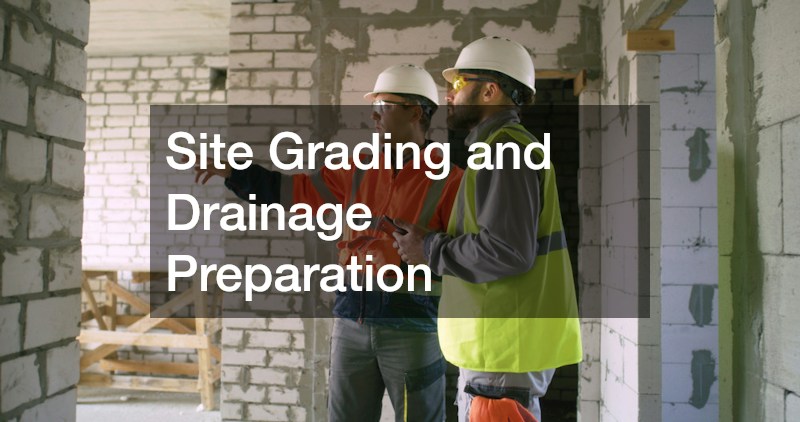
A grading contractor handles the shaping and leveling of land for construction, drainage, landscaping, and other property improvements. Rather than simply moving soil from one location to another, grading work establishes the contours and slopes needed for a site to function properly. The finished grade can affect how water moves across the property and how subsequent construction projects are completed.
Grading services can be part of both new construction and improvements to an existing property. Contractors may reshape areas where water collects, correct uneven sections of land, or prepare a site before foundations, pavement, landscaping, or other features are installed.
Common grading projects include:
- Land leveling and reshaping
- Slope correction
- Drainage preparation
- Construction site preparation
- Soil movement and placement
- Preparation for driveways and other surfaces
Proper grading can also support the work performed by other contractors. A building site, paved area, landscaped section, or drainage system may all depend on the underlying land being appropriately shaped first. Grading work can also be coordinated with excavation, paving, landscaping, and other site-related construction to establish the conditions needed for subsequent improvements. This makes grading an important part of site development and property improvement.
2. Fire Sprinkler System Installation and Service
Fire sprinkler contractors specialize in systems designed to provide fire protection throughout buildings and other properties. Their work can include new system installation, repairs, testing, maintenance, modifications, and other services needed to keep sprinkler systems operating as intended. Because sprinkler systems interact with building layouts and other components, their installation requires specialized knowledge.
The scope of work can vary considerably depending on the property. A new construction project may require an entirely new sprinkler system, while an existing building may need repairs, system modifications, or changes to accommodate renovations. Contractors may work with system layouts, piping, sprinkler heads, control components, and related equipment.
Their services may include:
- New system installation
- System modifications
- Repairs and replacements
- Testing and inspections
- Maintenance services
- Work related to renovations or expansions
Changes to a building can affect the configuration of its fire protection system. When spaces are added, removed, or substantially changed, sprinkler components may need to be adjusted accordingly. Specialized contractors provide the technical work necessary for these systems to remain integrated with the property.
3. Roofing Installation, Repair, and Maintenance
Roofing contractors handle the exterior system that forms one of a building’s primary barriers against weather exposure. Their work encompasses far more than installing a roof on a new structure. Depending on the property and project, contractors may perform repairs, replacements, inspections, maintenance, and other roofing services.
Roofing systems are exposed to rain, wind, snow, temperature changes, and other environmental conditions over time. This exposure can contribute to leaks, damaged materials, deterioration, and other problems. Contractors can address individual issues or perform larger projects when an existing roof reaches the point where substantial replacement work is needed.
Typical roofing services include:
- New roof installation
- Roof replacement
- Leak repairs
- Damaged material repairs
- Roof inspections
- Routine maintenance
Roofing work can also involve drainage considerations. Water needs to move away from the roof rather than remain concentrated in areas where it can contribute to damage. By addressing the roof system as a whole, contractors contribute to the continued protection and condition of the building.
4. Interior Flooring Installation and Finishing

Flooring contractors specialize in the installation, replacement, repair, and finishing of interior surfaces. Flooring is not a one-size-fits-all component of a property. Different spaces can require different materials based on how the area is used, the amount of foot traffic it receives, moisture exposure, and the desired appearance.
A residential room, retail space, office, or other commercial area may each have different flooring requirements. Contractors work with the selected material and the existing surface to complete the installation properly. Surface preparation can be an important part of the process because imperfections in the underlying surface can affect the finished flooring.
Flooring projects can include:
- New flooring installation
- Replacement projects
- Surface preparation
- Flooring repairs
- Refinishing and finishing
- Installation across residential and commercial spaces
The contractor’s work can influence both the appearance and everyday functionality of an interior. Properly installed flooring creates a finished surface suited to the space while also supporting normal use. For renovation projects, new flooring can also contribute significantly to the overall transformation of a room or building.
5. Pest Inspection, Treatment, and Management
A pest control contractor addresses unwanted pest activity through inspection, treatment, prevention, and ongoing management. Pest problems can take different forms depending on the property, the surrounding environment, and the conditions that allow pests to enter or remain on the premises. Professional services can address existing activity while also identifying factors that may contribute to recurring problems.
Inspection is often an important component of this work because identifying where pests are entering or what conditions are supporting their presence can affect the appropriate treatment approach. Contractors may examine areas of a property for signs of activity, potential entry points, and other contributing conditions.
Services may involve:
- Property inspections
- Targeted pest treatments
- Identification of entry points
- Preventive measures
- Recurring pest management
- Treatment of established infestations
Pest management can apply to both residential and commercial properties. In addition to addressing visible pest activity, contractors can help manage the conditions associated with recurring problems. Their work contributes to protecting buildings and keeping interior and exterior areas usable.
6. Excavation and Major Site Preparation
Excavation contractors perform substantial earthmoving and digging work required for construction and infrastructure projects. Their services can involve removing, moving, and placing soil to create the spaces needed for foundations, utility installations, drainage systems, and other construction components. Excavation is often one of the earliest physical stages of a major building or site development project.
The work requires careful consideration of existing site conditions. Contractors may need to work near existing structures, account for underground utilities, and manage different types of soil and terrain. The equipment and techniques used can vary according to the size and requirements of the project.
Excavation work commonly includes:
- Foundation excavation
- Utility trenches
- Drainage excavation
- Site preparation
- Soil removal and placement
- Preparation for subsequent grading
Excavation and grading are related but distinct areas of site work. Excavation focuses heavily on digging and earth removal or relocation, while grading establishes the desired contours and elevations of the finished site. Larger projects may require both specialties as different phases of construction progress.
7. Plumbing System Installation and Service
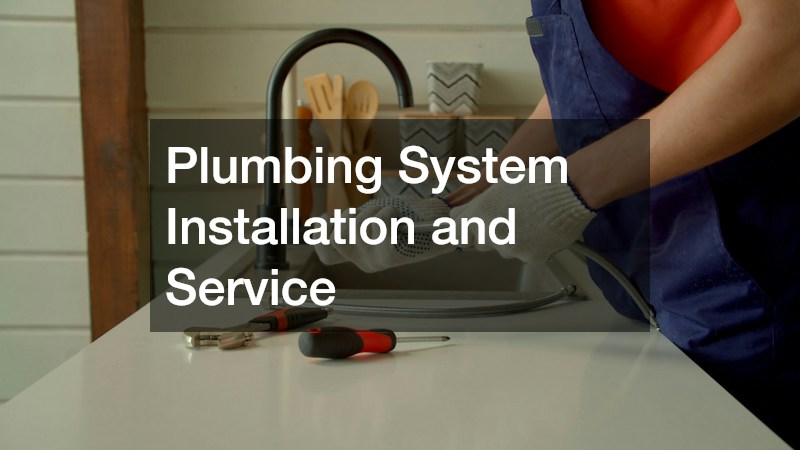
Plumbing contractors work on the systems responsible for supplying water, removing wastewater, and supporting fixtures throughout a property. Their services can range from installing new plumbing during construction to repairing individual components in an existing building. Plumbing work can therefore be involved in new construction, renovations, routine maintenance, and emergency repairs.
Problems can occur in many parts of a plumbing system. Leaks, clogged drains, damaged pipes, fixture failures, and other water-related issues can affect how a building operates. Contractors can diagnose these problems and perform the necessary repair or replacement work.
Common plumbing services include:
- Water supply installation
- Drainage system work
- Pipe repairs and replacement
- Fixture installation
- Leak repairs
- Plumbing maintenance
- Renovation and new construction work
Plumbing contractors may work on individual fixtures or larger portions of a property’s plumbing infrastructure. Their work can involve concealed piping as well as visible components, making specialized knowledge important for both diagnosis and installation. Reliable plumbing supports kitchens, bathrooms, utility areas, commercial spaces, and many other parts of a property.
8. Concrete Construction and Surface Work
Concrete contractors handle a broad range of structural, exterior, and surface projects. Concrete can serve many purposes throughout a property, from supporting buildings and creating slabs to forming sidewalks, patios, driveways, and other hardscape features. Contractors may also repair existing concrete when surfaces become damaged or deteriorated.
The quality of a concrete project depends on more than the material itself. Preparation, forming, placement, finishing, and curing are all parts of the construction process. Each stage contributes to the finished surface and its ability to serve its intended purpose.
Concrete projects can include:
- Foundations
- Concrete slabs
- Sidewalks and walkways
- Patios
- Driveways
- Retaining structures
- Repairs to existing surfaces
Concrete contractors can also work on projects that improve accessibility and property functionality. A new walkway can create a defined route between areas, while a properly constructed driveway provides a durable surface for vehicle access. Structural applications can provide support for other parts of a building or property.
9. Paving Installation and Surface Maintenance
A paving contractor specializes in creating and maintaining paved surfaces used for vehicle and pedestrian access. Driveways, parking areas, roads, walkways, and similar surfaces can require installation, resurfacing, repairs, maintenance, or reconstruction as their condition changes over time.
Pavement is exposed to repeated traffic and environmental conditions. Weather, drainage problems, general wear, and continued use can all contribute to deterioration. Different forms of damage may require different approaches, ranging from localized repairs to larger resurfacing or reconstruction projects.
Paving services may include:
- New pavement installation
- Resurfacing
- Surface repairs
- Pavement maintenance
- Reconstruction
- Driveway and parking area work
Site preparation is also an important part of paving. The underlying area needs to provide an appropriate base for the finished surface, while drainage needs to be considered so water does not remain where it can contribute to deterioration. Well-executed paving work can provide durable, usable surfaces that support movement throughout a property.
10. Pool Construction, Renovation, and Repair
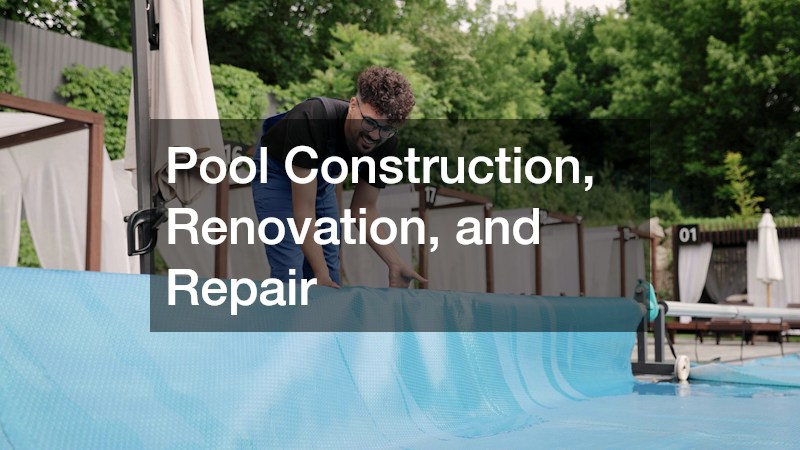
Pool contractors specialize in the construction, renovation, repair, and improvement of swimming pools and related outdoor recreational spaces. Pool projects can involve several different construction components, including excavation, structural work, plumbing, equipment, interior surfaces, and surrounding features. The contractor therefore may coordinate multiple technical aspects within one project.
New pool construction can involve extensive site preparation before the pool structure is installed. Existing pools can also require substantial work when their surfaces, equipment, plumbing, or other components need to be repaired or updated. Renovation projects may focus on one part of the pool or involve broader improvements throughout the space.
Common pool projects include:
- New pool construction
- Pool renovations
- Resurfacing
- Equipment updates
- Plumbing repairs
- Structural repairs
- Feature additions
Maintenance and repair work can help address problems that develop as an existing pool ages. Contractors may work on equipment, surfaces, plumbing, or other components depending on the property’s needs. Their specialized knowledge allows them to address the different systems that come together to create a functional recreational space.
The contracting industry encompasses a wide range of specialized businesses, each responsible for a particular part of property construction, maintenance, repair, or improvement. Site preparation, fire protection, roofing, flooring, pest management, excavation, plumbing, concrete, paving, and pool construction all represent different areas of expertise.
These specialties can also overlap during larger projects. Site work may precede construction, plumbing may be incorporated into renovations, and exterior improvements may require coordination between multiple contractors. Other services focus more directly on maintaining individual building systems or property features.
Together, specialized contractors contribute to functional buildings, reliable infrastructure, protected structures, usable outdoor areas, and well-maintained properties. Understanding the different roles these businesses perform also demonstrates how many separate areas of expertise can contribute to the construction and continued operation of a single property.